Cost to install vinyl siding on house sets the stage for this comprehensive guide, providing readers with valuable insights on the factors, costs, and tips associated with this home improvement project.
As we delve deeper into the intricacies of vinyl siding installation, readers can expect to uncover essential information to make informed decisions about their home renovation projects.
Factors Affecting Cost of Installing Vinyl Siding
When it comes to determining the cost of installing vinyl siding on a house, several factors come into play. These factors can significantly influence the overall price of the project. Let’s delve into how each of these factors impacts the cost and why they are essential to consider.
Size of the House
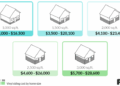
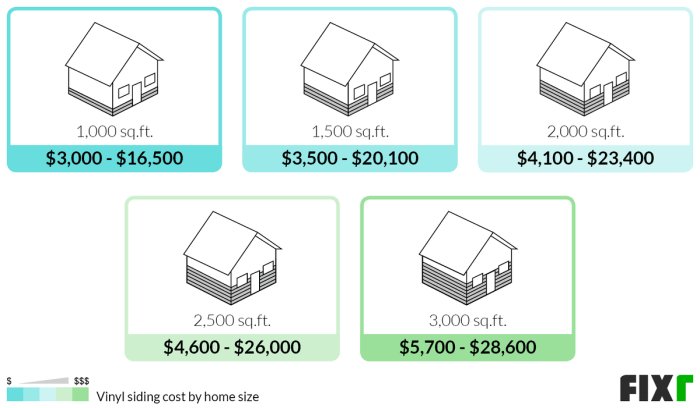
The size of the house is a crucial factor in determining the cost of installing vinyl siding. Larger houses require more materials and labor, leading to higher overall costs. For example, a small one-story house will generally cost less to side with vinyl compared to a large two-story house with multiple angles and corners.
Quality of Vinyl Siding
The quality of the vinyl siding chosen for the installation also plays a significant role in the overall cost. Higher quality vinyl siding materials will typically come at a higher price point but may offer better durability and aesthetic appeal.
Opting for premium vinyl siding can increase the total cost of the project.
Labor Costs
Labor costs for installing vinyl siding can vary depending on the complexity of the job and the experience of the contractors. Skilled labor may come at a higher price, but it can ensure a quality installation that will last for years to come.
Additionally, factors like removal of old siding, preparation work, and cleanup can all impact labor costs.
Additional Features
Incorporating additional features such as trim details, insulation, or decorative elements can also add to the overall cost of installing vinyl siding. These extra touches can enhance the appearance of the house but will require more materials and labor, increasing the total price of the project.
Geographical Location
Geographical location can also affect pricing variations in vinyl siding installation. Areas with higher costs of living or where materials need to be transported over long distances may result in increased overall costs. It’s essential to consider the regional factors that can impact the pricing of the installation project.
Average Cost Estimates for Installing Vinyl Siding
When considering the cost of installing vinyl siding on your house, it is important to understand the average expenses involved in the process.
Average Cost Per Square Foot
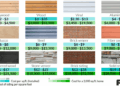
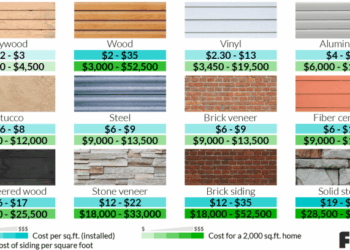
The average cost per square foot for vinyl siding installation typically ranges from $3 to $7. This cost can vary depending on factors such as the quality of the siding, the size of the project, and the location of your home.
DIY vs. Professional Installation Costs
While DIY installation of vinyl siding may seem like a cost-effective option, it is important to consider the potential risks and challenges involved. Hiring professionals for the job ensures proper installation and can save you time and effort. The average cost for professional installation can range from $1 to $2 per square foot in addition to the cost of materials.
Breakdown of Costs
Materials
The cost of vinyl siding materials can range from $1 to $4 per square foot, depending on the quality and style.
Labor
Hiring professionals for installation can cost around $40 to $50 per hour.
Additional Expenses
Other expenses to consider include the cost of removing old siding, any necessary repairs to the exterior of the house, and the cost of permits if required.Consider these average cost estimates when planning for the installation of vinyl siding on your home to ensure a smooth and budget-friendly process.
Cost-Saving Tips for Vinyl Siding Installation
When it comes to installing vinyl siding, there are ways for homeowners to save money without compromising on quality. By following these cost-saving tips, you can ensure a successful and budget-friendly siding installation project.
Consider Cost-Effective Alternatives
One way to save money on vinyl siding installation is by considering cost-effective alternatives to traditional vinyl siding options. For example, instead of opting for premium vinyl siding brands, you can choose mid-range or budget-friendly options that still offer durability and aesthetic appeal.
Obtain Multiple Quotes
It’s important to obtain multiple quotes from different vendors before committing to a vinyl siding installation project. By comparing prices and services offered by various contractors, you can ensure that you are getting a competitive price for the project. Be sure to request detailed quotes that Artikel all costs involved, including materials, labor, and any additional fees.
DIY Installation
If you have experience with home improvement projects and feel confident in your skills, you may consider tackling the vinyl siding installation yourself. DIY installation can save you money on labor costs, but it’s important to ensure that you have the necessary tools, knowledge, and time to complete the project successfully.
Return on Investment (ROI) of Vinyl Siding Installation
Installing vinyl siding on a house can significantly increase its resale value, making it a worthwhile investment for homeowners looking to enhance the overall value of their property. This durable and low-maintenance exterior material not only improves the aesthetic appeal of a home but also offers long-term cost savings.
Increased Resale Value
According to the Remodeling 2020 Cost vs. Value Report, replacing existing siding with vinyl siding can have a return on investment of up to 74.7% nationally. This means that homeowners can recoup nearly three-quarters of the cost of vinyl siding installation when they sell their home.
The enhanced curb appeal and durability of vinyl siding make it an attractive feature for potential buyers, ultimately increasing the overall resale value of the property.
Long-Term Cost Savings
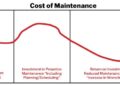
Vinyl siding is known for its low maintenance requirements, as it does not need to be repainted or refinished like other exterior materials such as wood siding. This can result in significant cost savings over time, as homeowners will not have to incur additional expenses for upkeep and maintenance.
Additionally, vinyl siding offers excellent energy efficiency, helping to reduce heating and cooling costs throughout the year. The insulating properties of vinyl siding can improve the overall energy efficiency of a home, leading to lower utility bills and increased savings for homeowners.
End of Discussion
In conclusion, exploring the cost to install vinyl siding on house reveals a world of possibilities for homeowners looking to enhance the aesthetic appeal and value of their properties. By understanding the factors influencing costs, average estimates, cost-saving tips, and ROI considerations, individuals can embark on this renovation journey with confidence and clarity.
FAQ Compilation
What factors affect the cost of installing vinyl siding?
Factors such as the size of the house, quality of vinyl siding, labor costs, and additional features can impact the overall cost.
Is DIY installation cheaper than hiring professionals for vinyl siding?
While DIY installation may seem cost-effective, hiring professionals ensures quality work and may be a better long-term investment.
How can homeowners save money on vinyl siding installation?
Homeowners can save money by exploring cost-effective alternatives, obtaining multiple quotes, and ensuring quality without overspending.
What is the ROI of vinyl siding installation?
Installing vinyl siding can increase the resale value of a home and provide long-term cost savings in maintenance and energy efficiency.