Diving into the realm of new windows and siding cost, this introduction aims to captivate readers with a detailed and informative overview. From the different factors influencing costs to comparisons of various materials, this guide covers it all in a casual formal language style that is sure to intrigue and educate.
Factors influencing new windows and siding cost
When considering the cost of installing new windows and siding for your home, several factors come into play that can affect the overall price. From the materials used to the size of the house, labor costs, and energy-efficient options, understanding these factors can help you make informed decisions.
Types of windows and siding materials
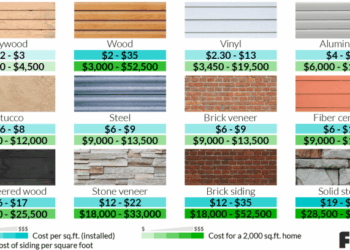
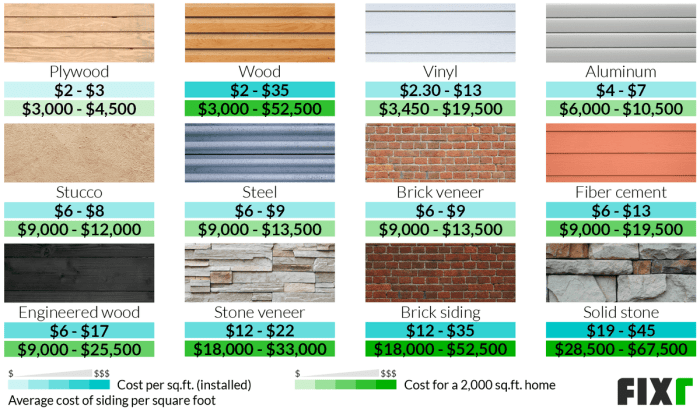
The choice of materials for windows and siding can greatly impact the cost of the project. For example, vinyl siding is generally more affordable than wood or fiber cement siding. Similarly, double-pane windows are typically more cost-effective than triple-pane windows, but they may offer less energy efficiency.
Size of the house and number of windows
The size of your home and the number of windows you need to replace will directly influence the overall cost. Larger homes with more windows will require more materials and labor, leading to a higher total price for the project.
Labor costs, installation difficulty, and additional features
Labor costs can vary depending on the complexity of the installation and any additional features you choose, such as decorative trim or custom window shapes. Windows and siding that are harder to install or require specialized techniques may also increase the overall cost of the project.
Energy-efficient options and long-term savings
Investing in energy-efficient windows and siding may have a higher upfront cost but can result in long-term savings on energy bills. Features like low-E coatings, insulated siding, and argon gas-filled windows can help improve your home’s energy efficiency, reducing heating and cooling costs over time.
Comparison of various window and siding materials
When it comes to choosing the right window and siding materials for your home, it’s essential to consider factors such as cost, durability, maintenance requirements, aesthetic appeal, and energy efficiency. Let’s compare the different materials available in the market to help you make an informed decision.
Vinyl
Vinyl windows and siding are popular for their affordability. They are low-cost options compared to other materials such as wood or fiberglass. While vinyl may not offer the same level of durability as some other materials, they require minimal maintenance and are available in a variety of colors and styles.
However, they may not be as energy-efficient as other options.
Wood
Wood windows and siding are known for their classic and natural look. They are more expensive than vinyl but offer excellent durability and insulation properties. However, wood requires regular maintenance, such as painting or staining, to prevent rotting or warping.
Despite the higher cost and maintenance, many homeowners opt for wood due to its timeless appeal.
Aluminum
Aluminum windows and siding are lightweight, durable, and relatively low-maintenance. They are also cost-effective compared to other materials. While aluminum is a good conductor of heat, which may affect energy efficiency, newer technologies have improved thermal performance. Aluminum is also resistant to corrosion, making it a long-lasting option for homes in various climates.
Fiberglass
Fiberglass windows and siding combine the durability of materials like wood with the low maintenance of vinyl. They are more expensive than vinyl but offer superior strength, insulation, and resistance to warping or cracking. Fiberglass is also energy-efficient, helping to reduce utility bills over time.
Additionally, fiberglass is known for its versatility in design and customization options.Each material has its own pros and cons, so it’s essential to weigh the costs, durability, maintenance requirements, aesthetic appeal, and energy efficiency before making a decision. Consider your budget, climate, and personal preferences to choose the right window and siding materials for your home.
Regional price variations
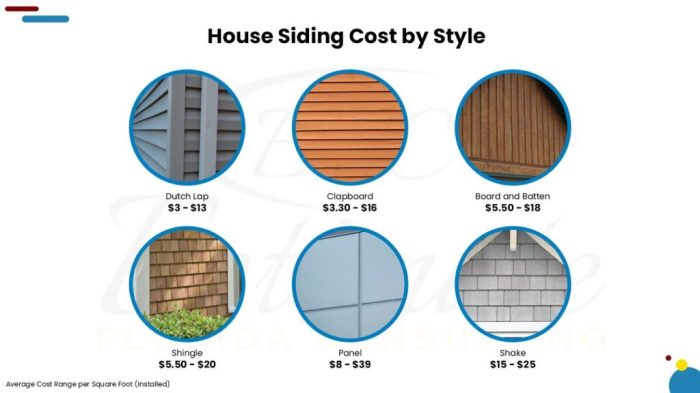
When it comes to the cost of new windows and siding, regional price variations play a significant role in determining the overall budget for homeowners. Factors such as location, climate conditions, and local labor costs can all impact the pricing of materials and installation services.
Impact of Location and Climate Conditions
Location and climate conditions can greatly influence the cost of new windows and siding. For example, areas with extreme weather conditions may require more durable materials that can withstand wind, rain, or snow. This can lead to higher material costs compared to regions with milder climates.
Additionally, certain regions may have specific building codes or regulations that can affect the type of materials that can be used, further impacting pricing.
Local Labor Costs and Availability
Another important factor to consider is the local labor costs and availability in a particular region. Areas with high demand for construction services may have higher labor costs, which can increase the overall project budget. Additionally, limited availability of skilled laborers in certain regions can also impact pricing, as contractors may need to charge more for their services.
Navigating Regional Price Variations
Homeowners looking to install new windows and siding can navigate regional price variations by getting multiple quotes from different contractors in their area. By comparing prices and services offered, homeowners can make informed decisions that align with their budget and project requirements.
It’s also important to research local building codes and regulations to ensure compliance and avoid any unexpected costs down the line.
Tips for cost-effective new windows and siding installation
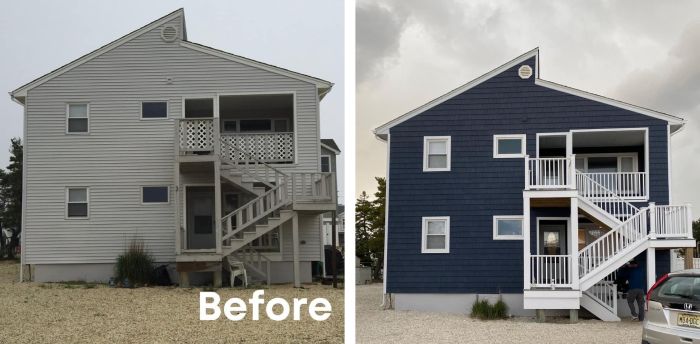
When it comes to installing new windows and siding, there are several strategies you can implement to ensure a cost-effective process. From budgeting and planning to negotiating with contractors and exploring financing options, here are some tips to help you save money on your home improvement project.
Budgeting and Planning
- Start by assessing your needs and priorities for new windows and siding. Determine the scope of the project and set a realistic budget based on your goals.
- Research different window and siding materials to find the most cost-effective options that meet your requirements for durability, energy efficiency, and aesthetics.
- Obtain multiple quotes from reputable contractors to compare prices and services. Look for contractors who offer competitive rates without compromising on quality.
Negotiating with Contractors and Getting Competitive Quotes
- Don’t be afraid to negotiate with contractors to get the best deal possible. Ask for discounts, explore package deals, or inquire about seasonal promotions to save money on installation costs.
- Request detailed estimates from contractors that Artikel the breakdown of expenses, including labor, materials, permits, and any additional charges. This will help you make an informed decision and avoid hidden costs.
- Consider hiring local contractors who may offer better prices and faster response times compared to larger companies.
Financing Options and Energy-Efficient Upgrades
- Explore financing options such as home improvement loans, lines of credit, or rebates for energy-efficient upgrades. Many government programs and utility companies offer incentives for installing energy-efficient windows and siding.
- Invest in high-quality, energy-efficient windows and siding that can help lower your energy bills in the long run. Look for products with ENERGY STAR ratings or other certifications that indicate superior performance.
- Consult with a tax professional to see if you qualify for any tax credits or deductions related to home improvements that increase energy efficiency.
DIY Options and Cost-Saving Measures
- If you’re handy and have the necessary skills, consider tackling some aspects of the installation process yourself to save on labor costs. However, be cautious and only take on tasks that you feel confident completing safely and effectively.
- Shop around for deals on materials and supplies, and consider purchasing in bulk to take advantage of discounts. Look for clearance sales, warehouse deals, or online promotions to save money on your renovation project.
- Prioritize regular maintenance and upkeep of your windows and siding to extend their lifespan and prevent costly repairs or replacements in the future. Simple tasks like cleaning, caulking, and painting can go a long way in preserving the condition of your home exterior.
Summary
In conclusion, the discussion on new windows and siding cost delves into the intricacies of pricing, materials, and regional variations. With valuable insights and practical tips shared throughout, homeowners can now make informed decisions when considering upgrades.
Frequently Asked Questions
What factors influence the cost of new windows and siding?
Factors include the types of materials used, house size, number of windows, labor costs, installation difficulty, and energy-efficient options.
Which window and siding materials are the most cost-effective?
Vinyl and aluminum are generally more budget-friendly compared to wood and fiberglass.
How can homeowners navigate regional price variations?
Researching local labor costs, material prices, and understanding climate impacts can help homeowners make informed decisions.
Are there financing options available for new windows and siding?
Some homeowners may qualify for rebates or financing options for energy-efficient upgrades.
What are some DIY options for cost-saving during installation?
Homeowners can consider tasks like painting or minor repairs themselves to save on installation costs.