Embrace the art of living room interior design as we delve into the intricacies of creating a space that is both aesthetically pleasing and functional. From understanding client needs to selecting the perfect furniture pieces, this guide offers a comprehensive look at the world of interior design for living rooms.
Discover the key elements that turn a simple room into a welcoming oasis, and learn how interior designers play a crucial role in transforming ordinary spaces into extraordinary ones.
Introduction to Living Room Interior Design
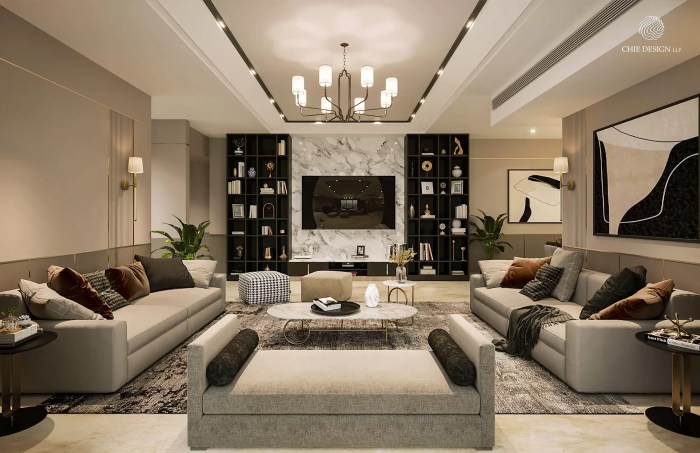
Having a well-designed living room is crucial as it serves as the central hub of the home where families and guests gather to relax, socialize, and entertain. A thoughtfully designed living room can enhance comfort, functionality, and overall aesthetic appeal.
Key Elements of an Inviting and Functional Living Room
- Comfortable seating arrangements that promote conversation and relaxation.
- Strategic placement of furniture to create a harmonious flow and maximize space.
- Proper lighting to set the mood and enhance the ambiance of the room.
- Incorporation of personal touches and decor that reflect the homeowner’s style and personality.
- Utilization of colors, textures, and patterns to create a cohesive and visually appealing space.
Role of an Interior Designer in Transforming Living Spaces
Interior designers play a crucial role in transforming living spaces by combining creativity, functionality, and technical expertise to create a personalized and well-designed environment. They work closely with clients to understand their needs, preferences, and budget constraints, and then develop a design plan that meets both aesthetic and practical requirements.
Interior designers have the knowledge and experience to select appropriate furniture, lighting, color schemes, and accessories that enhance the overall look and feel of the living room.
Understanding Client Needs
When it comes to creating the perfect living room design, understanding the client’s needs and preferences is crucial. This initial step sets the foundation for a successful collaboration between the interior designer and the client.Designers typically start by having in-depth discussions with the client to gain insight into their vision for the living room.
This involves understanding their desired style, color preferences, functional requirements, and overall aesthetic goals. By actively listening to the client’s input, designers can tailor the design process to meet their specific needs.
Assessing Client Preferences
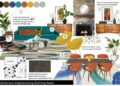
To assess clients’ preferences effectively, designers may utilize mood boards, questionnaires, and visual aids to capture the client’s taste and style. By gathering information on their favorite colors, furniture pieces, and design elements, designers can create a personalized design concept that resonates with the client.
- Conducting thorough interviews and consultations to understand the client’s lifestyle and daily routines.
- Reviewing inspiration images and design references provided by the client to pinpoint their design preferences.
- Considering any architectural constraints or spatial limitations that may impact the design process.
Design Concepts and Layout
Creating a well-designed living room involves careful consideration of layout, design styles, color schemes, and furniture choices. By maximizing space and flow, you can achieve a harmonious and functional living space that reflects your personal style.
Maximizing Space and Flow
When designing a living room layout, consider the size and shape of the room to optimize the space available. Utilize furniture placement to create defined areas for seating, entertainment, and traffic flow. Avoid overcrowding the room with too much furniture, and ensure there is ample space to move around comfortably.
Popular Design Styles, Color Schemes, and Furniture Choices
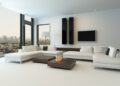
Modern living rooms often feature clean lines, minimalist furniture, and a neutral color palette with pops of color for accents. Popular design styles include Scandinavian, Industrial, Mid-Century Modern, and Contemporary. When choosing furniture, opt for pieces that are both stylish and functional, such as modular sofas, sleek coffee tables, and statement lighting fixtures.
Tips for Balancing Aesthetics with Functionality
Achieving a balance between aesthetics and functionality is key in living room design. Consider the needs and lifestyle of the occupants when selecting furniture and decor. Choose pieces that not only look good but also serve a practical purpose. Incorporate storage solutions like built-in cabinets or multifunctional furniture to keep the space organized and clutter-free.
Choosing Furniture and Decor
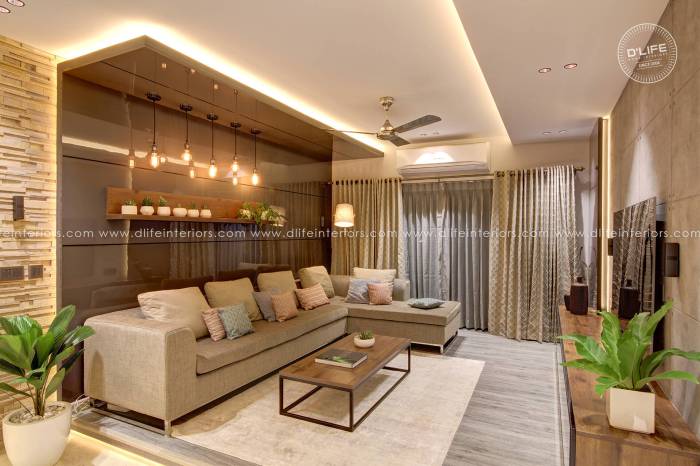
When it comes to selecting furniture pieces and decor items for the living room, it is essential to consider how they will complement the overall design aesthetic. The right furniture and decor can enhance the look and feel of the space, creating a cohesive and inviting environment.
Creating Focal Points and Visual Interest
One way to create visual interest in the living room is by choosing a focal point and arranging furniture around it. This could be a fireplace, a piece of artwork, or a statement piece of furniture. By strategically placing key items, you can draw the eye and create a sense of balance in the room.
- Consider the scale and proportion of furniture pieces to ensure they fit the space appropriately.
- Use a mix of textures and materials to add depth and dimension to the room.
- Play with different heights and shapes to create visual interest and movement in the space.
Incorporating Lighting, Textiles, and Accessories
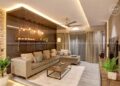
Lighting, textiles, and accessories play a crucial role in enhancing the overall look of the living room. Proper lighting can set the mood and highlight key features, while textiles like rugs, curtains, and throw pillows can add warmth and texture to the space.
- Choose a mix of overhead lighting, task lighting, and accent lighting to create layers of light in the room.
- Select textiles that complement the color scheme and style of the room, adding comfort and visual appeal.
- Accessorize with items like artwork, plants, and decorative objects to personalize the space and add personality.
Budgeting and Project Management
When it comes to living room interior design, managing the budget effectively is crucial for both the designer and the client. A skilled interior designer should be able to work within the client’s budget constraints while still delivering a high-quality design that meets the client’s needs and preferences.
Working within Budget Constraints
Interior designers often start by discussing the budget with the client to understand the financial limitations. They can then propose design solutions, materials, and furnishings that align with the budget while still achieving the desired look and feel for the living room.
It’s important for designers to be creative and resourceful in finding cost-effective options without compromising on style and quality.
Importance of Project Management
Project management skills are essential for overseeing living room design projects effectively. Interior designers need to coordinate with contractors, suppliers, and other professionals to ensure that the project stays on track, within budget, and meets the timeline. They also need to handle any unexpected challenges or changes that may arise during the design process.
Cost-Effective Stylish Makeover Tips
- Consider repurposing or refurbishing existing furniture to save on costs.
- Focus on key pieces that make a statement and complement the overall design.
- Shop for budget-friendly decor items at thrift stores, online marketplaces, or discount retailers.
- Opt for paint or wallpaper to add a pop of color or texture without breaking the bank.
- DIY projects can be a fun and affordable way to personalize the living room space.
Final Thoughts
Elevate your living space to new heights with the expertise of a skilled interior designer. From budgeting tips to design concepts, this discussion has provided valuable insights into creating a living room that truly reflects your style and personality. Start your design journey today and watch your living room come to life with creativity and flair.
FAQs
How can a well-designed living room impact the overall ambiance of a home?
A well-designed living room can elevate the entire atmosphere of a home, creating a welcoming and harmonious space for relaxation and social gatherings.
What role does lighting play in enhancing the design of a living room?
Proper lighting can significantly impact the mood and functionality of a living room, so designers often incorporate various lighting elements to create a dynamic and inviting space.
How do interior designers manage to stay within a client’s budget constraints?
Interior designers utilize their expertise to source cost-effective solutions without compromising on the quality of design, ensuring that clients get the best value for their budget.
What are some popular design styles for modern living rooms?
Popular design styles for modern living rooms include minimalist, contemporary, Scandinavian, industrial, and mid-century modern, each offering a unique aesthetic appeal.