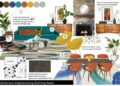
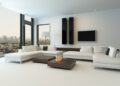
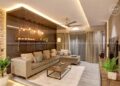
Embark on a journey into the world of minimalist interior design ideas, where less is truly more. Discover the art of creating serene living spaces through simplicity and elegance.
Delve into the key principles, color schemes, furniture selection, textures, lighting techniques, and decor elements that define the essence of minimalist design.
Introduction to Minimalist Interior Design
Minimalist interior design is a style characterized by simplicity, clean lines, and a focus on functionality. The key principles of minimalist interior design involve reducing elements to their essential forms, using neutral colors, and prioritizing open spaces. This design approach aims to create a calming and uncluttered environment that promotes relaxation and mindfulness.
Key Principles of Minimalist Interior Design
Minimalist interior design is guided by several key principles:
- A focus on functionality: Every element in a minimalist space should serve a purpose, with no room for unnecessary clutter.
- Clean lines and simple forms: Furniture and decor items are often sleek and geometric, with minimal ornamentation.
- Neutral color palette: White, beige, gray, and other neutral tones are commonly used to create a sense of calm and cohesion.
- Open spaces: Minimalist interiors often feature unobstructed spaces that allow for easy movement and a feeling of airiness.
Importance of Minimalism in Creating a Serene Living Space
Minimalism plays a crucial role in creating a serene living space by reducing visual noise and promoting a sense of tranquility. By eliminating excess clutter and focusing on essential elements, minimalist interiors help to declutter the mind and create a peaceful atmosphere.
The emphasis on simplicity and functionality also encourages mindfulness and intentionality in daily living, contributing to a more balanced and harmonious lifestyle.
Color Schemes in Minimalist Interior Design
Minimalist interior design often relies on specific color schemes to create a clean and uncluttered look. The choice of colors can greatly impact the perception of space in a minimalist design, making it crucial to select the right hues. Let’s explore popular color schemes used in minimalist interiors and provide tips on choosing the perfect colors for your space.
Monochromatic Color Scheme
A monochromatic color scheme involves using varying shades of a single color throughout the space. This creates a sense of harmony and simplicity, ideal for minimalist interiors. To achieve this look, stick to different tones of whites, grays, or beiges.
Consider adding texture through materials like wood or metal to prevent the space from feeling flat.
Neutral Tones Color Scheme
Neutral tones, such as whites, creams, and soft browns, are another popular choice for minimalist interiors. These colors create a serene and calming atmosphere while allowing other design elements to stand out. To add visual interest, consider incorporating different textures or subtle patterns in the same tonal range.
Accent Color Pop
While minimalist interiors typically lean towards a more muted color palette, adding a pop of color can create a focal point and add personality to the space. Opt for a single vibrant color, such as a deep blue or mustard yellow, to draw attention without overwhelming the minimalist aesthetic.
Use this accent color sparingly through accessories or furniture pieces.
Choosing the Right Colors
When selecting colors for a minimalist interior, consider the natural light in the space and how it will affect the chosen hues. Lighter colors can make a room feel more spacious and airy, while darker tones can add a sense of coziness.
Stick to a cohesive color palette to maintain the minimalist look and avoid cluttering the space with too many colors.
Furniture Selection and Layout
When it comes to minimalist interior design, selecting the right furniture pieces and arranging them in a thoughtful layout is crucial to achieving a clean and uncluttered look. Minimalist spaces are all about simplicity, functionality, and a sense of calm, so every piece of furniture should serve a purpose and contribute to the overall aesthetic.
Essential Furniture Pieces for a Minimalist Interior
- Minimalist Sofa: Opt for a sleek, simple sofa with clean lines and neutral colors to anchor the living room.
- Multi-functional Storage: Invest in storage solutions that double up as decor, such as floating shelves or hidden cabinets.
- Statement Lighting: Choose minimalist light fixtures that add a touch of elegance without overwhelming the space.
- No-Fuss Dining Table: A minimalist dining table with a simple design and durable materials is perfect for meal times.
Importance of Functional Furniture in a Minimalist Space
In a minimalist interior, every piece of furniture should serve a purpose and contribute to the overall functionality of the space. Functional furniture not only helps in maximizing the use of the room but also prevents unnecessary clutter and maintains the clean aesthetic.
Tips on Arranging Furniture for a Clean and Uncluttered Look
- Focus on the essentials: Stick to the essential furniture pieces and avoid overcrowding the space with unnecessary items.
- Create breathing room: Leave enough space between furniture pieces to allow for easy movement and a sense of openness.
- Consider the flow: Arrange furniture in a way that promotes a smooth flow of movement throughout the room.
- Use rugs to define areas: Rugs can help define different areas within a room while adding warmth and texture to the space.
Textures and Materials in Minimalist Design
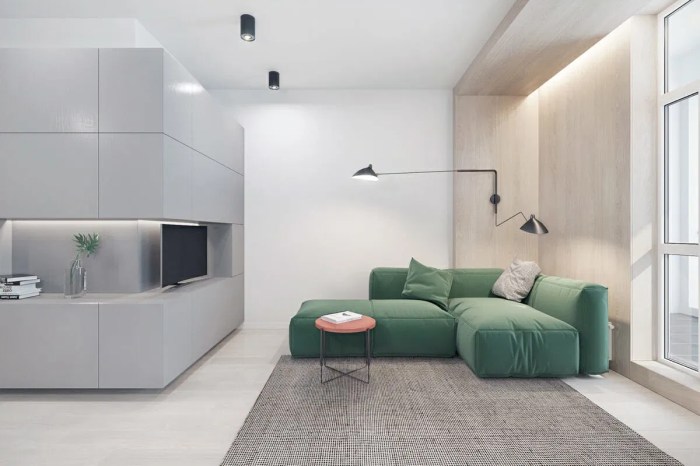
When it comes to minimalist interior design, textures and materials play a crucial role in creating a harmonious and visually appealing space. By carefully selecting and incorporating different textures and materials, you can add depth, warmth, and visual interest to a minimalist space.
Common Textures and Materials
In minimalist design, common textures and materials include:
- Wood: Natural wood elements such as oak, walnut, or bamboo can add warmth and organic feel to a minimalist space.
- Metal: Sleek metal finishes like stainless steel or brushed nickel can provide a modern and industrial touch to the design.
- Glass: Transparent or frosted glass can introduce a sense of lightness and openness to the space, reflecting natural light and creating a spacious feel.
- Concrete: Raw concrete surfaces can add an element of industrial chic to minimalist interiors, providing a cool and contemporary aesthetic.
Incorporating Textures for Visual Interest
To create visual interest in a minimalist space, you can incorporate textures by:
- Layering different textures: Mix and match materials like smooth leather, plush wool, rough jute, or shiny metal to create contrast and tactile appeal.
- Adding in textiles: Soft textiles such as cozy throw blankets, plush rugs, or textured cushions can introduce warmth and coziness to an otherwise sleek and minimalist room.
- Focusing on details: Pay attention to small details like textured wall panels, patterned tiles, or sculptural decor pieces to add visual interest without overwhelming the space.
Lighting Techniques for Minimalist Spaces
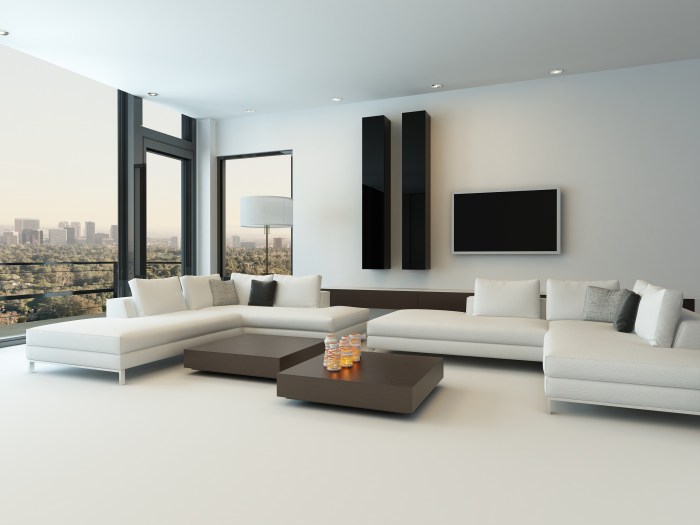
Lighting plays a crucial role in enhancing minimalist interior design by creating a sense of space, highlighting key elements, and setting the mood. The right lighting can make a minimalist space feel welcoming, cozy, and visually appealing.
1. Ambient Lighting
Ambient lighting is the primary source of light in a room and sets the overall tone. In minimalist spaces, soft and diffused lighting works best to create a warm and inviting atmosphere. Consider using recessed lights, wall sconces, or pendant lights with dimmer switches to control the intensity.
2. Task Lighting
Task lighting is essential in minimalist spaces to provide focused light for specific activities. Opt for sleek desk lamps, adjustable floor lamps, or under cabinet lighting to illuminate work areas or reading nooks without cluttering the space.
3. Accent Lighting
Accent lighting adds visual interest and highlights architectural features or design elements in a minimalist room. Use track lights, picture lights, or LED strips to draw attention to artwork, sculptures, or decorative objects while maintaining a clean and uncluttered look.
4. Natural Light
Maximize natural light in minimalist spaces to create a sense of openness and connection to the outdoors. Keep window treatments simple or sheer to allow daylight to filter in, enhancing the overall brightness and airiness of the room.
5. Lighting Fixtures
Choose lighting fixtures that complement the minimalist aesthetics, such as simple geometric shapes, clean lines, and neutral colors. Opt for fixtures made of metal, glass, or natural materials to enhance the modern and streamlined look of the space.
Minimalist Decor and Accessories
Minimalist decor and accessories play a crucial role in enhancing the overall design of a minimalist space. By carefully selecting simple and functional elements, you can create a space that feels clean, organized, and visually appealing.
Identifying Minimalist Decor Elements
When it comes to minimalist decor, less is more. Some key elements that can enhance the design of a minimalist space include:
- Simple artwork: Opt for abstract or monochromatic pieces that complement the clean lines of the space.
- Indoor plants: Incorporating a few carefully selected plants can add a touch of nature and freshness to the room.
- Functional accessories: Choose items that serve a purpose while also adding visual interest, such as a sleek clock or a minimalist vase.
Concept of “Less is More”
In minimalist design, the concept of “less is more” emphasizes the importance of simplicity and functionality. By avoiding clutter and unnecessary decorations, you can create a space that feels open, airy, and inviting. Keeping decor to a minimum allows each piece to stand out and make a statement.
Incorporating Subtle Accents
While minimalist spaces are known for their simplicity, incorporating subtle accents can add depth and character without overwhelming the design. Some ideas for incorporating subtle accents include:
- Textured throw pillows: Choose pillows with simple textures or patterns to add visual interest to a minimalist sofa or bed.
- Statement lighting: Opt for a sleek pendant light or a minimalist floor lamp to create a focal point in the room.
- Minimalist rugs: Select a rug with a subtle pattern or texture to define the space and add warmth to a minimalist room.
Last Point
As we conclude our exploration of minimalist interior design ideas, remember that simplicity is the ultimate sophistication. Embrace the beauty of minimalism in your living spaces for a tranquil and harmonious environment.
FAQ Compilation
How can I create a minimalist interior design?
To create a minimalist interior design, focus on decluttering, using a neutral color palette, choosing functional furniture pieces, and incorporating simple yet impactful decor elements.
What are the key principles of minimalist interior design?
The key principles include simplicity, functionality, clean lines, limited color palette, and eliminating unnecessary elements to achieve a sense of calm and openness.
How can lighting enhance minimalist interior design?
Lighting plays a crucial role in highlighting the simplicity and elegance of minimalist spaces. Opt for natural light, minimalistic fixtures, and layered lighting to create a warm and inviting atmosphere.
Why is minimalism important in creating a serene living space?
Minimalism helps reduce visual clutter, promotes relaxation, and creates a sense of tranquility by focusing on essential elements and eliminating distractions in the environment.